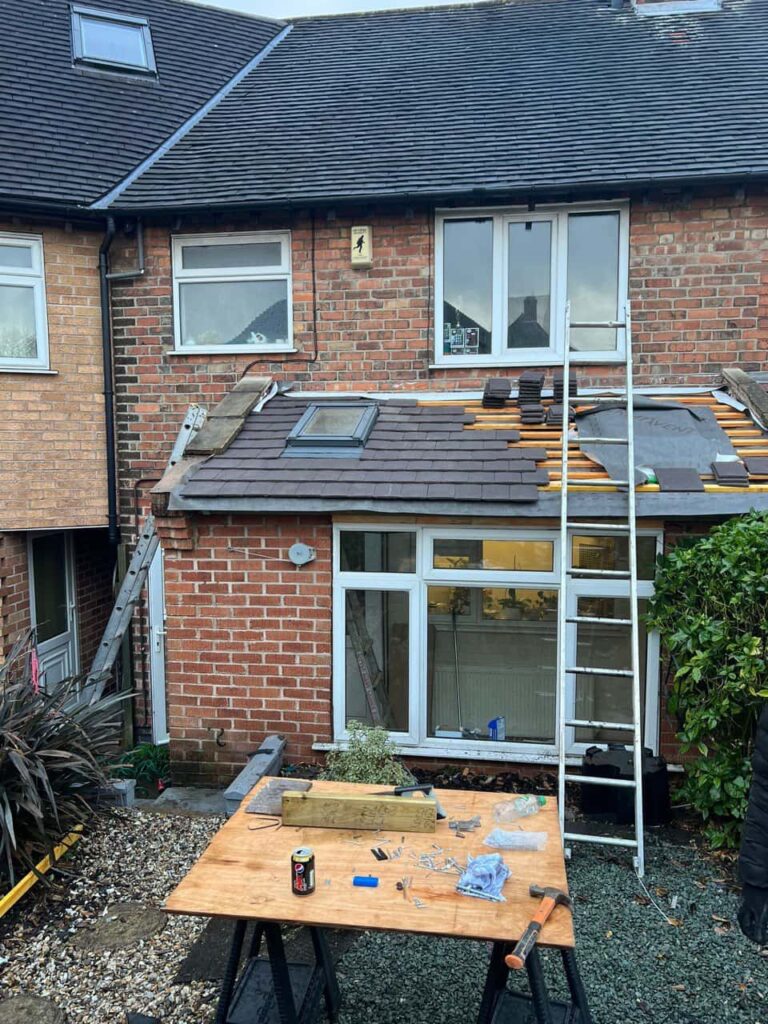
A felt roof provides dependable weather protection when it is installed correctly and maintained appropriately. However, its performance can be affected by standing water, blocked drainage, surface damage and deterioration around edges or junctions.
Regular observation and timely repairs can help prevent minor defects from developing into larger problems. The aim is to keep the felt covering intact, ensure water can leave the roof efficiently and protect the structure beneath it from moisture.
Practical Ways to Look After a Felt Roof
Effective felt roof maintenance involves more than checking the main surface. Edges, seams, outlets, upstands and adjoining materials all contribute to the roof’s ability to remain watertight.
Arrange Regular Visual Checks
A felt roof should be checked periodically and after periods of severe weather. Early defects can be difficult to notice from inside the property because moisture may travel beneath the covering before becoming visible.
Warning signs include:
- Cracks or splits in the felt
- Blistered or raised areas
- Open seams and loose edges
- Punctures or worn patches
- Standing water
- Blocked outlets
- Damp marks beneath the roof
- Changes in the roof’s shape
Identifying these signs early gives a roofing contractor an opportunity to assess the cause before deterioration spreads.
Keep Outlets and Gutters Clear
Leaves, moss and other debris can obstruct drainage points and prevent water from leaving the roof. When water remains on the surface, it places continued pressure on seams, joints and minor weaknesses.
Gutters, outlets and downpipes should remain clear so rainwater can drain freely. Debris should be removed carefully to avoid puncturing or scraping the felt covering.
Pay Attention to Standing Water
Small amounts of water may remain briefly after rainfall, but persistent ponding can indicate inadequate falls, blocked drainage or movement in the supporting deck.
Standing water can accelerate wear and exploit weaknesses in the felt. It may also collect around seams, edges and roof penetrations, where water ingress is more likely. The underlying cause should be investigated rather than treating the pooled water as an isolated issue.
Prevent Unnecessary Foot Traffic
Felt roofs can be damaged by frequent or careless access. Footwear may puncture the surface, disturb joints or press debris into the covering. Damage is more likely during very hot or cold conditions, when the material may be softer or less flexible.
Access should be limited to necessary inspection and maintenance. Where regular access is unavoidable, suitable protection should be planned to reduce stress on the waterproof layer.
Avoid Placing Heavy Items on the Roof
Storage, plant containers and other heavy objects can place concentrated pressure on the felt and supporting structure. They may also trap moisture, interfere with drainage and conceal developing defects.
Items should not be placed on the roof unless it was specifically designed to accommodate them. Keeping the surface clear also makes inspections more effective.
Check Seams, Edges and Upstands
The main field of felt may appear sound while water enters through a vulnerable detail. Seams, perimeter edges and upstands around walls or other raised features should therefore receive particular attention.
Lifting, cracking or separation in these areas can create a route beneath the covering. Professional repairs should restore the connection between materials rather than simply applying a temporary surface patch.
Monitor Flashing and Roof Penetrations
Pipes, vents, rooflights and adjoining walls interrupt the continuous felt surface. These points require careful sealing because they are exposed to movement and concentrated rainfall.
Any gaps, splits or loose detailing around a penetration should be assessed promptly. Water entering here may travel beneath the felt and make the internal leak appear far from its true source.
Control Nearby Vegetation
Overhanging branches can drop leaves and organic material onto the roof. They may also scrape the surface or cause impact damage during windy conditions.
Managing nearby growth can reduce debris accumulation and help the felt dry more effectively after rain. It also improves visibility when the roof is inspected.
Do Not Ignore Blisters or Bubbles
A blister forms when air or moisture becomes trapped beneath the felt. Although it may not initially allow water through, continued expansion, temperature changes or foot traffic can cause the raised area to split.
Blisters should be professionally assessed to determine whether a local repair is suitable and whether moisture has affected the roof beneath the surface.
Repair Small Defects Promptly
A narrow split, loose edge or localised puncture can worsen as water, wind and temperature changes act upon it. Delaying attention may allow moisture to reach the decking, insulation or internal finishes.
A successful repair must address the reason for the failure and integrate properly with the surrounding covering. Applying material over a damp, dirty or unstable area is unlikely to provide a reliable result.
Watch for Internal Warning Signs
The underside of the roof can provide useful evidence of a developing problem. Damp patches, staining, peeling finishes, musty odours or changes in the ceiling should not be ignored.
The visible mark may not sit directly beneath the external defect, so accurate inspection is important. Moisture can move along the roof deck or supporting timbers before entering the room below.
Use Professional Inspections to Guide Maintenance
A professional inspection can assess the felt surface, drainage, perimeter details and supporting structure as a complete system. It can distinguish between a repairable local defect and more widespread deterioration.
This avoids unnecessary work while ensuring that concealed weaknesses are not overlooked. It also allows maintenance to be planned around the actual condition of the roof.
Conclusion
Keeping a felt roof in better condition for longer depends on clear drainage, limited foot traffic, regular checks and prompt attention to developing defects. Seams, edges, outlets and penetrations should be monitored as carefully as the main surface because these areas are often particularly vulnerable.
Kirkby in Ashfield Roofing Repairs provides professional felt roof inspections and repairs in Kirkby in Ashfield, Nottinghamshire. If you have noticed splits, blisters, standing water or signs of moisture, contact the team to arrange an assessment and identify the appropriate repair.
Call us on: 01623 700 893
Click here to find out more about Kirkby in Ashfield Roofing Repairs
Click here to complete our contact form and see how we can help with your roofing needs.